
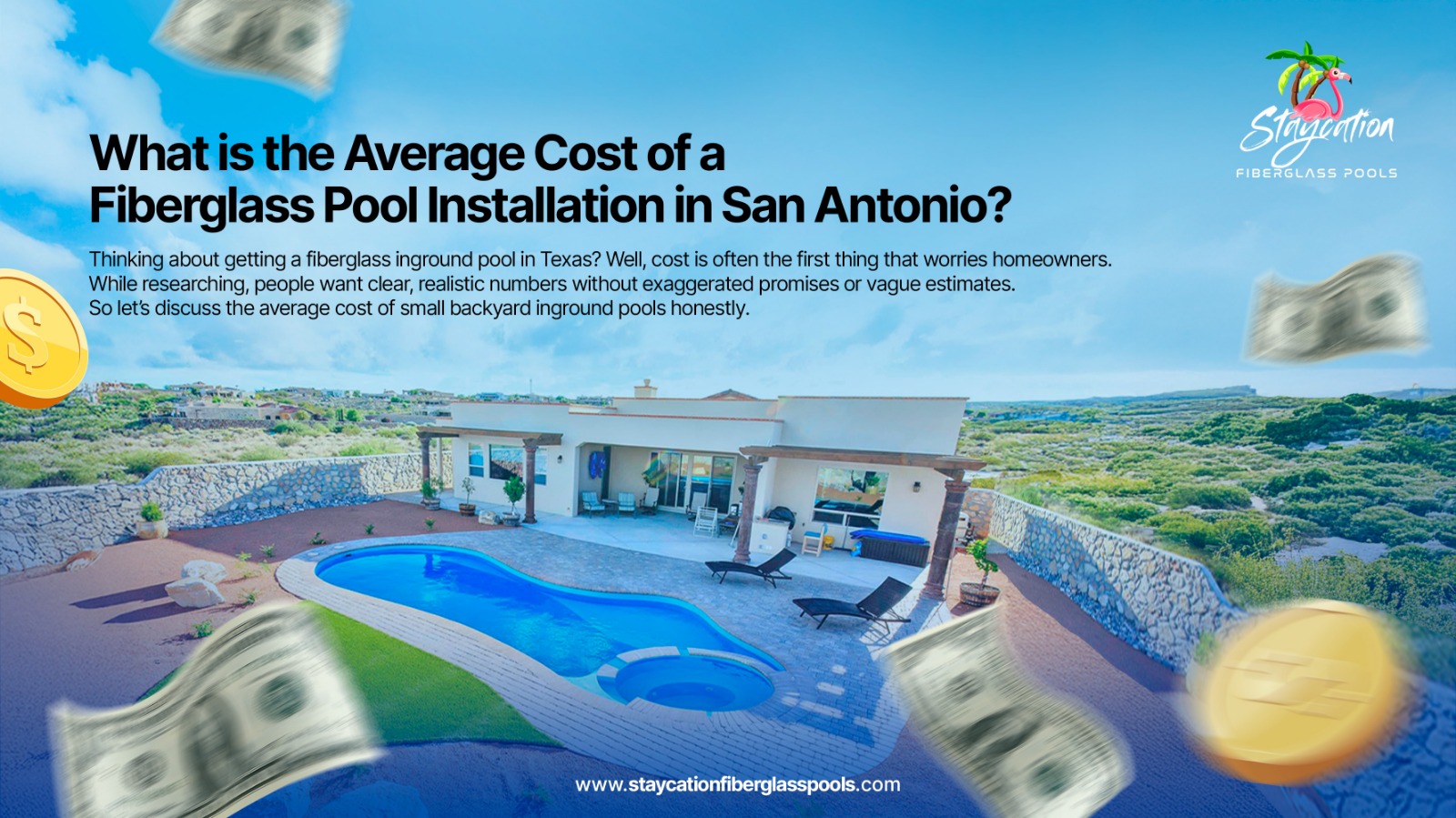
Installing a pool isn’t just a home improvement project; it’s a lifestyle decision. It’s about summer barbecues, late-night swims, and turning your backyard into a private retreat. However, before the excitement takes over, most homeowners worry about one thing: What is this really going to cost me in the long run?
If you’ve been researching in-ground pools, you’ve likely noticed something confusing: the prices are all over the place. That’s because true affordability isn’t just about the initial installation price. It’s about maintenance, resurfacing, repairs, chemical usage, energy efficiency, and how well the pool holds up over time.
In this guide, we’ll break everything down in clear, practical terms. Discover why fiberglass pools continue to stand out as the most cost-effective choice for homeowners who want beauty, durability, and long-term savings.
There are mostly three types of pools available in the market: Fiberglass, Vinyl, and Concrete. When planning your dream pool, the installation price is just one piece of the puzzle. Real costs include ongoing maintenance, equipment, water chemistry, and even how often you use it.
Here’s a helpful breakdown of the key cost drivers:
| Cost Factors | Why It Matters | Impact on Long-Term Costs |
| Location & Climate | Warmer or humid regions require more maintenance and chemical balancing. | In Texas, especially in San Antonio, longer swim seasons mean higher year-round care costs due to evaporation and heat |
| Length of Swim Season | Longer open season = more water chemistry checks and equipment run time. | Extended usage increases chemical and utility costs. |
| Pool Type (fiberglass, vinyl, concrete) | Different materials require varying levels of care | Fiberglass pools generally need less maintenance and fewer repairs over time. |
| Equipment & Automation | Pumps, heaters, salt systems, and automation impact energy and upkeep. | Energy-efficient equipment can reduce costs, while outdated gear may increase them. |
| Water Chemistry Maintenance | Balancing pH, sanitizer levels, alkalinity, and calcium hardness is critical for safety and durability. | Improper chemistry shortens equipment life and can increase repair costs. Follow CDC guidance for pool water management |
| Landscaping & Decking | Surrounding features add to installation but also long-term care duties. | Hardscape, patios, or trees can increase debris and cleaning needs. |
| Lifestyle & Usage Frequency | Frequent use demands more maintenance, cleaning, and chemistry monitoring. | Families with heavy use or pets often see higher upkeep expenses. |
When you hear the word “affordable,” you might assume it means cutting corners. That’s not the case here. Fiberglass pools aren’t cheaper because they lack quality; it’s because they reduce long-term expenses.
Here’s why fiberglass consistently delivers better overall value:
In Texas, average installation costs typically fall within $35,000–$50,000 for fiberglass ones, around $45,000 for vinyl options. Concrete pools tend to be the most expensive option, costing around $50,000–$80,000+
Concrete pools allow for full customization, but labor, materials, and extended build times quickly drive up the final price. Vinyl pools may appear more affordable upfront, yet liner replacements every 7–10 years can cost thousands.
Fiberglass pools are manufactured off-site and are ready to install when delivered. In-ground pool companies can often complete installation in days instead of months. That efficiency reduces labor costs, shortens backyard disruption, and gets you swimming sooner.
Fiberglass pools are built with a smooth, nonporous gelcoat surface. This single feature makes a major difference in maintenance.
Because the surface doesn’t absorb water or harbor contaminants:
In contrast, concrete pools have a porous surface. They absorb water and chemicals, which forces you to add more chlorine and acid. Over time, that increases both maintenance effort and chemical expenses.
Many fiberglass manufacturers also offer long-term or even lifetime structural warranties, adding another layer of financial protection.
Over 10 years, these savings add up quickly. When you factor in resurfacing, liner replacements, and higher chemical usage, this option can save homeowners thousands of dollars compared to other pool types.
Texas heat impacts pool ownership more than many homeowners can expect. A longer swim season may sound like a benefit, but it also increases ongoing operating costs.
When temperatures are high for most of the year:
Over time, those factors can significantly affect maintenance expenses.
Fiberglass performs exceptionally well in hot climates because its chemically inert surface does not react with pool water. It helps stabilize pH levels and reduces the constant chemical adjustments. That built-in stability makes maintenance more predictable and more affordable, even during peak summer heat.
This is why experienced swimming pool builders in San Antonio frequently recommend fiberglass for pools.
Absolutely. Installation time directly affects labor costs, backyard disruption, and how soon you can actually enjoy your investment.
Concrete pools typically take 2–4 months to complete. During that time, your yard practically becomes inaccessible, and weather delays can stretch the timeline even further.
Fiberglass pools, on the other hand, arrive pre-manufactured and ready to install. In many cases, contractors complete installation in as little as a week, depending on permits and weather conditions.
That shorter timeline means:
Fiberglass streamlines the process, minimizes delays, and gets you enjoying your backyard sooner.
Balanced water isn’t just about keeping your pool clear; it protects you and your family, the pool surface, and your equipment. When water chemistry stays stable, pumps, heaters, and filters last longer and perform better. Fiberglass makes that job easier.
Because the surface is smooth and chemically inert, it helps reduce:
In fact, you can often maximize efficiency by pairing fiberglass pools with equipment like salt chlorinators, variable-speed pumps, and energy-efficient heaters.
A knowledgeable swimming pool contractor in San Antonio can recommend properly sized equipment for your pool and climate. Oversized or outdated equipment wastes energy and increases operating costs.
Choosing the right pool starts with asking the right questions. Professional inground pool companies should walk you through the full picture, not just the upfront price.
Start by discussing the estimated 10-year maintenance costs so you understand what ownership will truly look like. Review all warranty details carefully, including structural coverage and surface protection.
Confirm the projected installation timeline so you know how long your backyard will be under construction. You should also ask about equipment recommendations based on your climate, especially in Texas, where heat and long swim seasons affect performance.
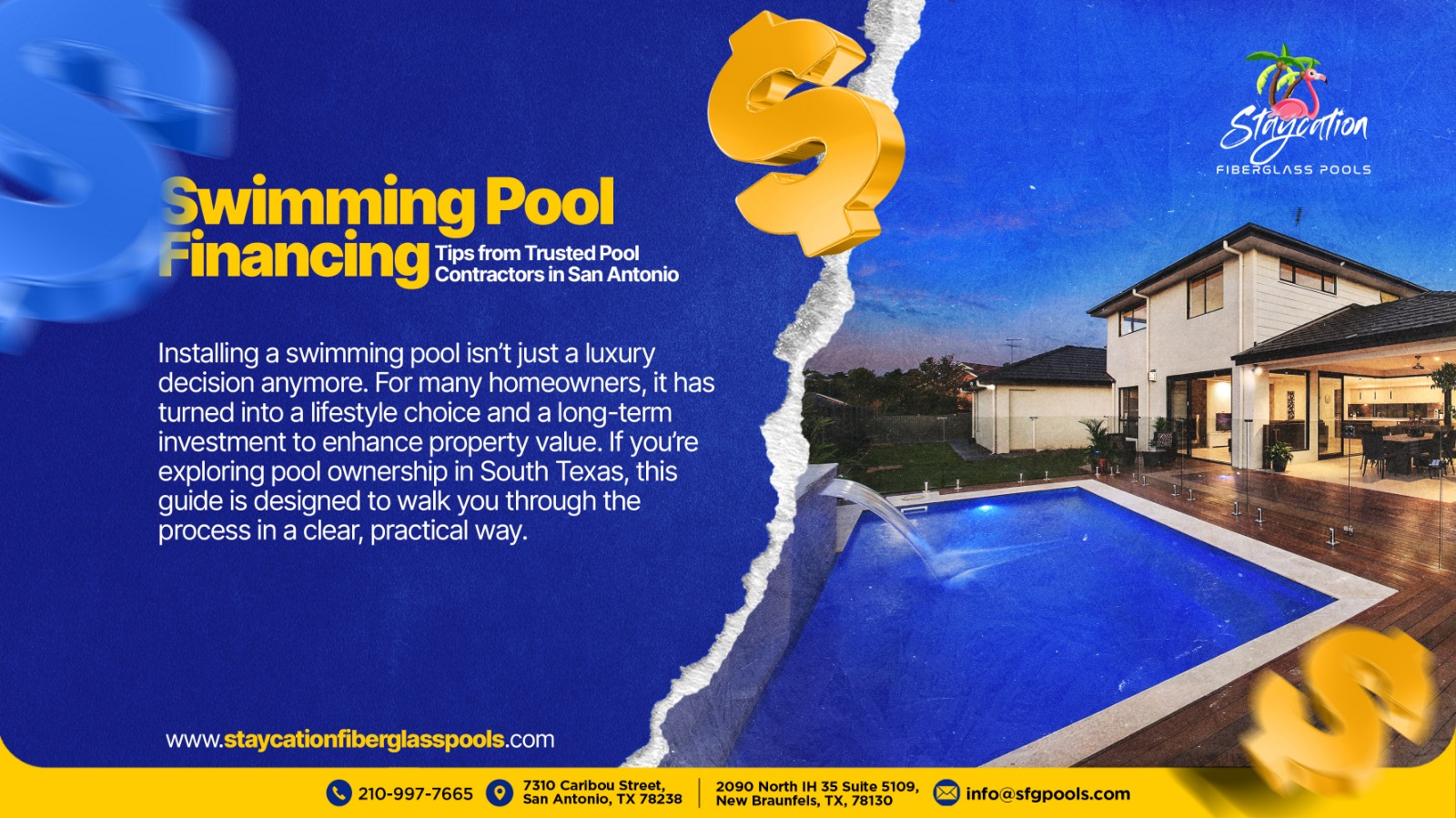
Clear communication can help you separate experienced professionals from installers who focus only on closing a sale. If you’re also planning your budget, take time to read our guide, “Swimming Pool Financing 101: Tips from Trusted Pool Contractors in San Antonio.”
If your goal is long-term savings, lower maintenance stress, and faster installation, fiberglass is hard to beat. While every backyard and budget is different, many homeowners find that this option offers the best balance between upfront cost and lifetime affordability.
When comparing in-ground pools, focus on total ownership costs, not just the installation price.
Staycation Fiberglass Pools has helped many San Antonio homeowners design beautiful, low-maintenance backyard retreats built to last. Our team will focus on quality installation, durable materials, and long-term value.
If you’re ready to explore what’s possible for your home, reach out to us and start planning a pool that fits your lifestyle and your budget.
Yes, in most cases. Fiberglass pools typically cost less over time because they require fewer chemicals, less maintenance, and no resurfacing like concrete pools. While installation prices may be similar, long-term ownership costs are usually lower.
Fiberglass pools are built to last 25–30 years or more. Many manufacturers offer long-term structural warranties, and the gelcoat surface resists cracking, fading, and structural deterioration.
The smooth, nonporous surface makes it harder for algae to grow, which means less brushing and lower chemical usage. Many homeowners see reduced chlorine and acid demand compared to concrete pools.
Most fiberglass pools can be installed in 1–3 weeks, depending on permits, weather, and site conditions. This is significantly faster than concrete pools, which can take several months.
Yes. Fiberglass performs very well in hot climates because the surface is chemically inert and helps maintain stable water chemistry. It also handles soil movement better than more rigid pool types, making it a strong choice for Texas conditions.
Recent Articles


Popular Tags